The Untold Childhood Stories & Biographies of Football Stars

Manchester United Debt Tops £1bn as Club Confirms £63.5m Stadium Land Spend
Summary
Manchester United's debt remains above £1bn despite cost-cutting, with the club confirming a £63.5m land purchase for a proposed new 100,000-seat stadium.
8 min read
Table of Contents
Manchester United’s overall debt remains above £1 billion despite extensive cost-cutting under co-owner Sir Jim Ratcliffe, with the club confirming on September 23, 2026, that it has spent £63.5m buying land next to Old Trafford for a proposed new stadium, according to the club’s latest financial accounts reported by BBC Sport.
Direct answer: Manchester United’s financial debt stood at £689m at the end of June 2026, up £52m on the previous year, while total obligations including transfer payables and a revolving credit facility push the wider debt figure past £1bn, BBC Sport and The Athletic reported on September 23, 2026. The club separately confirmed spending £63.5m to acquire roughly 25 acres of land northwest of Old Trafford, intended for a proposed 100,000-seat stadium that could cost more than £2bn if built, according to The Telegraph.
What the accounts show
The financial disclosures, covering the 2025-26 season and reported across multiple outlets on September 23, 2026, break United’s debt into several components. According to BBC Sport, the club’s historic debt — dating back to the Glazer family’s leveraged takeover in 2005 — stands at £577.6m, with a further £111.4m outstanding on a revolving credit facility. The remainder of the more than £1bn total is made up largely of trade and other payables tied to transfer-fee instalments still owed to selling clubs.
The Athletic’s financial report, published the same day, put United’s financial debt specifically at £689m as of the end of June 2026, an increase of £52m year-on-year. The Telegraph, in a separate analysis of the same accounts, calculated that United have posted seven consecutive years of losses totalling £444m, underlining the scale of the financial repair job facing the club’s hierarchy even as interest costs on existing borrowing continue to climb.
Interest costs on United’s debt are rising, BBC Sport reported, adding further pressure to a balance sheet that has been under scrutiny since Sir Jim Ratcliffe’s INEOS completed its minority investment in the club and took operational control of football and business operations in 2025. Ratcliffe’s regime has pursued a program of cost-cutting, including job losses across the club’s back-office staff, aimed at narrowing the gap between spending and revenue.
Where the £63.5m stadium spend came from
Central to the September 23 disclosures is confirmation that United spent £63.5m acquiring land adjacent to Old Trafford as part of preparatory work for a new stadium. BBC Sport reported that the sum was drawn from an additional $125m (£94.14m) added to the club’s finances during a summer refinancing exercise, though the report noted the club did not explain what happened to the remainder of that facility.
The Telegraph’s reporting filled in further detail, stating that “it is understood the refinancing also provided the funding capacity for United to acquire land worth £63.5m adjacent to Old Trafford for the proposed new 100,000-capacity stadium,” and describing it as the club’s first major property investment tied to the project. The Telegraph put the total cost of the stadium itself at “in excess of £2bn” if the project goes ahead as currently envisaged.
United have spoken publicly about ambitions for a new stadium since Ratcliffe’s arrival, framing it as central to a long-term revenue strategy that would move the club away from reliance on debt-financed spending. The Athletic’s report noted that record revenue was recorded alongside the club’s most recent set of losses, illustrating the gap between top-line income growth and the financial drag created by interest payments, wages and stadium-related capital expenditure.
Wage bill and cost-cutting context
The Athletic’s headline finding was that United’s wage bill fell during the 2025-26 season even as revenue reached a record level, a combination the outlet’s report characterized as evidence that the club’s spending is becoming more “financially sustainable” under the current ownership structure — even though the bottom line still showed a loss for the year. That framing was echoed by 101 Great Goals, which reported the same £63.5m land payment figure and connected it to the broader narrative of United tightening its financial operations while still investing in stadium infrastructure.
Ratcliffe and INEOS have overseen redundancies across United’s staff since taking charge of football operations, moves the ownership group has defended as necessary to bring the club’s cost base in line with clubs operating under tighter financial discipline. The persistence of debt above £1bn, despite those cuts, illustrates the scale of the legacy financial structure inherited from the Glazer-era ownership model, under which United have operated with borrowed capital since 2005.
The stadium project timeline
United’s interest in a new stadium has been discussed publicly for more than a year, with the club exploring options that range from a full rebuild of Old Trafford to construction of an entirely new ground on adjacent land. The confirmation of the £63.5m land purchase marks one of the first concrete financial commitments tied to that ambition, according to the Telegraph’s reporting, though the club has not yet confirmed a final design, funding structure or completion date for the project.
Any stadium project of the scale being discussed — a capacity of 100,000, which would make it the largest club ground in the United Kingdom — would require financing well beyond the land acquisition alone. The Telegraph’s estimate of “in excess of £2bn” for the full build underscores that the £63.5m disclosed this week represents an early and comparatively small fraction of the total capital United would need to raise or borrow to complete the project.
The financial disclosures land at a moment when several Premier League clubs are reassessing their off-pitch operations and leadership structures. Liverpool are separately reported to be set to reappoint Julian Ward as sporting director, part of a broader pattern of Premier League clubs restructuring how football and business decisions are made off the pitch as competition for both silverware and commercial revenue intensifies.
Key figures at a glance
| Metric | Figure | Source |
|---|---|---|
| Total debt (including payables/credit facility) | Over £1bn | BBC Sport |
| Financial debt (as of June 2026) | £689m (+£52m YoY) | The Athletic |
| Historic debt (from 2005 takeover) | £577.6m | BBC Sport |
| Revolving credit facility outstanding | £111.4m | BBC Sport |
| Stadium land purchase | £63.5m | BBC Sport / The Telegraph |
| Cumulative losses, last 7 years | £444m | The Telegraph |
| Estimated new stadium cost | In excess of £2bn | The Telegraph |
How this compares across the Premier League
United’s debt load stands out even among Premier League clubs that have historically carried leveraged ownership structures. While several rivals have invested heavily in squad rebuilding and infrastructure in recent transfer windows, few carry a debt burden comparable to United’s combination of legacy acquisition debt, revolving credit borrowing and transfer-related payables. The club’s accounts, as reported by the Telegraph, show seven straight years of losses totalling £444m — a run that predates Ratcliffe’s arrival but has continued despite his cost-cutting mandate.
Sources close to the club’s finance operation, as cited in the Athletic’s report, pointed to record revenue in 2025-26 as evidence that commercial and matchday income are moving in the right direction, even if net losses persisted. The wage bill reduction reported over the same period suggests that first-team and staffing costs — long identified as a key driver of United’s financial strain — are being brought under tighter control, though the club’s overall debt position has not meaningfully improved as a result.
What happens next
United have not set out a public timeline for when construction on a new stadium might begin, nor have they detailed how the estimated £2bn-plus project would be financed beyond the initial land acquisition. The club’s next full financial results, expected in the coming months, are likely to provide further clarity on how the debt position is evolving and whether additional land or infrastructure spending tied to the stadium project has been committed.
- United’s financial debt reached £689m at the end of June 2026, an increase of £52m year-on-year, according to The Athletic.
- The club confirmed a £63.5m land purchase adjacent to Old Trafford, funded via a summer refinancing package, per BBC Sport and The Telegraph.
- Seven consecutive years of losses now total £444m, the Telegraph’s analysis of the accounts found.
- A full stadium rebuild is estimated to cost in excess of £2bn if it proceeds, with no confirmed timeline yet disclosed.
For now, the September 23 disclosures confirm that United’s ownership is proceeding with early-stage investment in a new stadium even as the club’s overall debt position remains above £1bn — a balancing act between long-term infrastructure ambition and near-term financial discipline that is likely to remain under scrutiny as further details of the project emerge.
Sources
- BBC Sport — bbc.co.uk
- The Athletic — nytimes.com
- The Telegraph — telegraph.co.uk
- Man Utd still £1bn in debt, with interest costs rising and £63.5m spent on new stadium — bbc.co.uk
- Analysing Manchester United’s £1bn debt – and what it … — nytimes.com
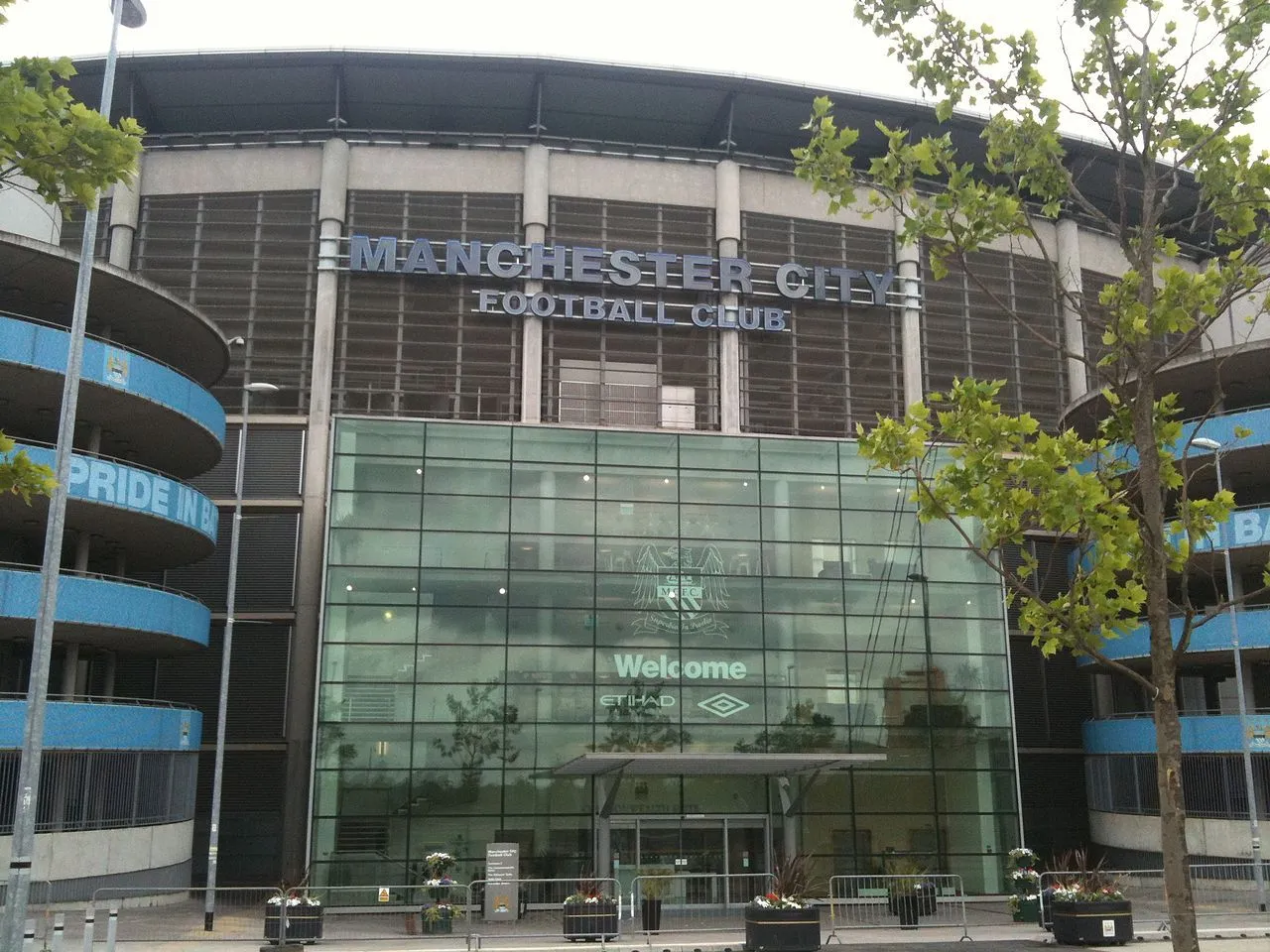
Photo: Mikey from Wythenshawe, Manchester, UK, CC BY 2.0, via Wikimedia Commons
📷 Image credits — Hero: Mikey from Wythenshawe, Manchester, UK · CC BY 2.0 · Wikimedia Commons