The Untold Childhood Stories & Biographies of Football Stars

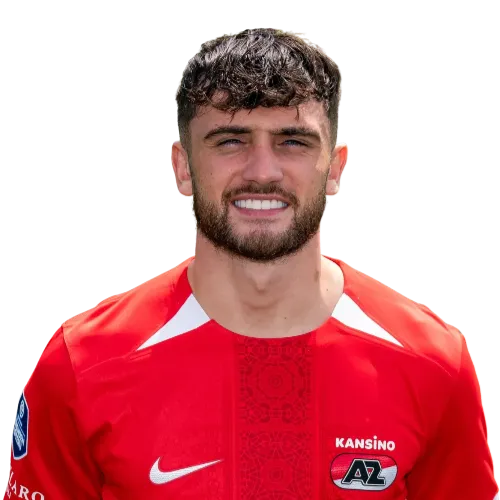
Troy Parrott Scores Twice as Ireland Draw 2-2 With Austria Amid Pitch Protests
Summary
Troy Parrott scored twice as Ireland drew 2-2 with Austria on Oct 1, 2026, in a Nations League match halted twice by pro-Palestine protests in Dublin.
6 min read
Table of Contents
Troy Parrott scored twice as the Republic of Ireland drew 2-2 with Austria in a UEFA Nations League fixture at the Aviva Stadium in Dublin on October 1, 2026, in a match that was twice halted in the first half after pro-Palestine protesters threw tennis balls onto the pitch and a pitch invader carrying a Palestinian flag was removed by security.
Parrott put Ireland ahead with a 12th-minute strike before converting a penalty in first-half stoppage time to make it 2-0, only for Austria to fight back in the second half through goals from Alexander Prass and Michael Gregoritsch to secure a point. The result leaves both sides level in their Nations League group, with the drama on the pitch overshadowed for long stretches by the disruption in the stands.
What Happened at the Aviva Stadium
Ireland had the better of the opening period in front of a sell-out crowd. Parrott, the 24-year-old striker who has become a focal point of Heimir Hallgrímsson’s attack, opened the scoring in the 12th minute before doubling his and Ireland’s tally with a penalty converted deep into first-half stoppage time, sending the hosts in 2-0 up at the break.
But the first half was interrupted twice before Ireland’s lead was secured. Protesters inside the stadium threw tennis balls onto the pitch, some bearing stickers of the Palestinian flag alongside the message “#StopTheGame,” forcing referee Allard Lindhout to pause play while stewards cleared the surface. Separately, a pitch invader carrying what appeared to be a Palestinian flag ran onto the field before being removed by security.
Austria responded after the interval. Alexander Prass pulled a goal back before Michael Gregoritsch leveled the score, completing the comeback and securing a 2-2 draw that denied Ireland a result that had looked comfortable at halftime.
The Protest and Its Message
The demonstrations inside the Aviva Stadium were tied to Ireland’s forthcoming fixtures against Israel, according to reporting on the disruption. Coverage of the match noted that the protest action was organized around opposition to Ireland’s scheduled games against the Israeli national team, with campaigners using the Austria fixture as a platform to draw attention before those matches take place.
The BBC Sport football desk has separately reported on the broader scheduling tensions around Irish football fixtures against teams drawn into geopolitical disputes, underscoring how international matches increasingly become flashpoints for demonstrations unconnected to the result on the pitch.
UEFA’s response to the disruption was still pending as of October 2, with the governing body expected to review match reports from officials before determining whether any disciplinary action is warranted against the Football Association of Ireland over crowd control, a standard process when matches are halted by pitch incursions or object-throwing under UEFA’s disciplinary regulations.
Troy Parrott’s Rise Continues
Parrott’s brace extends a run of form that has made him one of the most talked-about forwards in Irish football this year. The Tottenham Hotspur academy product, now plying his trade following loan spells that took him through the English and Dutch leagues, has established himself as Hallgrímsson’s first-choice striker heading into the back half of the Nations League campaign.
His opening goal arrived from a well-worked move in the 12th minute, giving Ireland an early foothold against an Austrian side that had arrived in Dublin with ambitions of topping the group. His second, converted from the penalty spot in stoppage time at the end of the first half, appeared to put the game beyond reasonable doubt — only for the interruptions and Austria’s second-half response to change the complexion of the result entirely.
Austria’s Second-Half Comeback
Trailing 2-0 at the break, Austria made the adjustments needed to claw their way back into the contest. Alexander Prass, who has become an increasingly important attacking outlet for the Austrian national team, converted to make it 2-1 and give his side belief that a point was salvageable.
Michael Gregoritsch then completed the turnaround with the equalizer, canceling out Ireland’s two-goal cushion and securing a result that, on the balance of the first 45 minutes, few inside the Aviva Stadium would have predicted. The 2-2 scoreline means both nations leave Dublin with a share of the points rather than the three Ireland had appeared destined for at halftime.
Match Summary
| Time | Event | Score |
|---|---|---|
| 12′ | Troy Parrott (Ireland) | 1-0 |
| 45+’ | Troy Parrott penalty (Ireland) | 2-0 |
| Second half | Alexander Prass (Austria) | 2-1 |
| Second half | Michael Gregoritsch (Austria) | 2-2 |
Context: Ireland’s Nations League Campaign
The draw with Austria is the latest fixture in Ireland’s UEFA Nations League campaign, a competition that has become increasingly important for European sides both as a route to tournament qualification playoffs and as a proving ground for squad depth ahead of major tournaments. Ireland’s performance across this international window is also being viewed alongside other camps around Europe, including squad selection decisions affecting England’s play-off picture, as nations across the continent manage player availability and form heading into the business end of the year.
For Austria, the result keeps them competitive in the group table despite conceding the first two goals, a reflection of the squad depth coach Ralf Rangnick has cultivated since taking charge of the national team. The comeback against Ireland follows a pattern of resilience Austria have shown in recent Nations League and qualifying fixtures.
Security and Crowd Management Questions
The twin interruptions raise fresh questions about crowd management at major international fixtures, particularly as matches involving politically sensitive scheduling — such as Ireland’s upcoming games against Israel — draw heightened attention from activist groups. Stadium security at the Aviva removed the pitch invader without further incident, and stewards cleared the thrown tennis balls to allow Lindhout to restart play on both occasions.
How UEFA responds to the disruption — and whether the Football Association of Ireland faces any sanction over stadium security — will likely shape how clubs and associations across Europe prepare for matches that attract similar demonstrations in the coming months, particularly as Ireland’s fixtures against Israel approach on the calendar.
What Happens Next
UEFA’s disciplinary process is expected to review the referee’s and match delegate’s reports before deciding whether any action is required. Neither the Football Association of Ireland nor the Austrian Football Association had issued detailed statements on the protest by October 2, with attention now turning to how both federations and UEFA address stadium security ahead of Ireland’s next Nations League assignments.
On the pitch, the draw leaves Ireland’s group standing unsettled heading into the next international window, with Parrott’s continued scoring form likely to keep him at the center of Hallgrímsson’s selection plans regardless of the result in Dublin.
Sources
- BBC Sport football desk — bbc.co.uk
- Republic of Ireland and Austria draw in game briefly halted by protests — bbc.com
- Troy Parrott magic not enough as Ireland throw away 2-0 half-time lead in dramatic Nations League draw against Austria — thesun.ie
- Ireland v Austria live updates: Troy Parrott double gives Ireland the lead — irishtimes.com
- More Parrott magic but Ireland surrender 2 goal lead to draw to Austria — extra.ie