The Untold Childhood Stories & Biographies of Football Stars

Ireland Refuse Pre-Match Handshake With Israel at Nations League Tie
Summary
Ireland's players refused to shake hands with Israel before their September 27, 2026 Nations League match in Debrecen, wearing black armbands instead.
8 min read
Table of Contents
The Republic of Ireland’s players declined to shake hands with their Israel counterparts before kickoff of a UEFA Nations League match in Debrecen, Hungary, on September 27, 2026, with Ireland captain Dara O’Shea also not exchanging pennants with Israel captain Manor Solomon, according to Reuters. Ireland’s squad wore black armbands during the match and lowered their heads during the playing of Israel’s national anthem, Hatikvah, in a gesture the Football Association of Ireland (FAI) said was intended to recognize “all the lives lost” in the Israel-Gaza conflict.
The match, played at Nagyerdei Stadion in Debrecen, was one of the more politically charged fixtures of this international break. FAI chief executive David Courell confirmed to reporters ahead of the game, in comments reported by Reuters on September 26, that there would be no pre-match handshake and no exchange of pennants between the two sides. “Football and politics should remain separate,” a representative of the Israeli camp said in response, according to Reuters reporting from the same period, underlining the gulf between the two federations’ positions heading into the tie.
What Happened in Debrecen
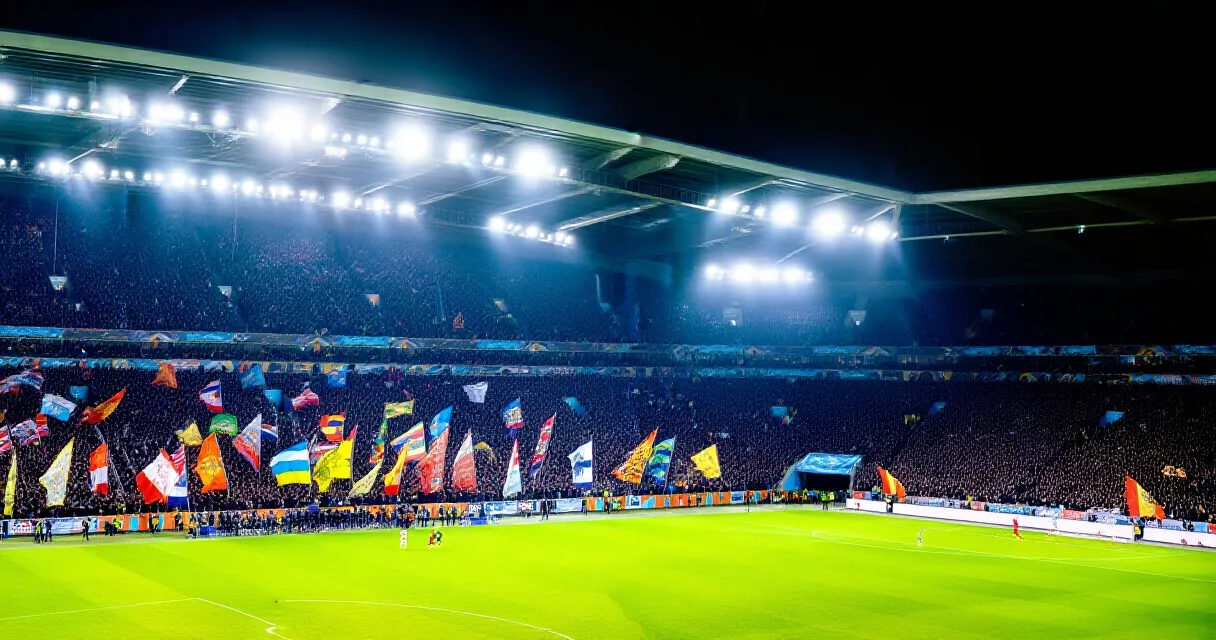
Ireland and Israel met in Group A2 of the UEFA Nations League on September 27, 2026, at Nagyerdei Stadion, a neutral venue in Debrecen used for Israel’s home fixtures amid ongoing security arrangements affecting matches involving the Israeli national team. Ahead of kickoff, the two squads did not take part in the traditional pre-match handshake line, and there was no joint team photograph, breaking with standard UEFA matchday protocol for a ritual that is normally observed regardless of political tension between competing nations.
Ireland’s players wore black armbands throughout the match, a gesture the squad and federation said was made in recognition of lives lost during the Israel-Gaza conflict, rather than a statement aimed solely at the opposition. During Hatikvah, several Irish players were seen lowering or bowing their heads, a visible and deliberate departure from the usual standing-to-attention convention observed during opposing national anthems.
According to Reuters, the absence of a handshake had been understood in advance by both camps, suggesting the protocol break was not a spontaneous, on-pitch decision but one communicated through official channels before the teams walked out. Israel’s side, for its part, indicated there would be an opportunity for players and coaching staff to shake hands had Ireland chosen to participate, framing the episode as Ireland’s decision rather than a mutual boycott.
Key Facts at a Glance
| Detail | Information |
|---|---|
| Competition | UEFA Nations League |
| Match date | September 27, 2026 |
| Venue | Nagyerdei Stadion, Debrecen, Hungary |
| Ireland captain | Dara O’Shea |
| Israel captain | Manor Solomon |
| FAI statement source | Chief executive David Courell |
| Ireland gesture | Black armbands; no handshake; no pennant exchange; heads lowered during Hatikvah |
| Reverse fixture | Reported for October 4, 2026, in Serbia |
The FAI’s Position
Reuters reported on September 26, 2026, that David Courell, chief executive of the Football Association of Ireland, confirmed there would be no pre-match handshake and no exchange of pennants between the Irish and Israeli captains. Courell’s comments, made in the buildup to the tie, signaled that the federation had made a formal decision rather than leaving the matter to individual players on the day. Reuters also reported that the governing body intended the black armbands as a broader act of mourning, described in FAI-linked comments as recognition of “all the lives lost in the conflict,” rather than a message directed exclusively at the Israeli opposition.
The decision reflects a wider debate within Irish football and society over how, or whether, sporting fixtures against Israel should proceed amid the ongoing war in Gaza. Irish domestic coverage in the days before the match described internal division on the issue, with the protest measures around the Debrecen fixture representing one of the most visible on-pitch gestures yet by a European national team regarding the conflict.
Israel’s Response
Israel’s camp pushed back on the framing of the gesture, with a representative telling Reuters that football and politics should remain separate. According to that same Reuters report, Israel’s side said there would be an opportunity for players and coaching staff from both teams to shake hands, effectively placing responsibility for the absence of the ritual on Ireland’s decision not to participate. The comments suggest Israel’s federation sought to distance itself from any suggestion that it, too, had declined the customary greeting, instead characterizing Ireland’s stance as a unilateral choice.
Israel’s national team has played a number of fixtures away from home soil during the current qualifying cycle because of security considerations tied to the regional conflict, with Debrecen serving as one of several neutral venues used to host what would otherwise be home matches. That backdrop has added extra scrutiny to any political gestures made by visiting opponents, given that Israeli players and staff are already competing under unusual circumstances during the international window.
A Wider Pattern in International Football
The Debrecen episode adds to a growing list of instances in which international football has become a stage for statements on the Israel-Gaza war, ranging from displays by fans and players to federation-level debates over whether fixtures against Israel should be played at all. Unlike boycott calls that target entire fixtures, Ireland’s approach on September 27 was more targeted: the team fulfilled its Nations League obligation and took the field, but visibly withheld the pre-match rituals that typically signal sporting goodwill between opponents.
That distinction matters for UEFA, which has faced pressure from various national federations and supporter groups over how competitions involving Israel should be organized, including questions about neutral venues and security. UEFA has not been reported to have taken disciplinary action over the Ireland squad’s gestures in Debrecen, and no fines or sanctions connected to the handshake refusal, armbands, or anthem protocol had been reported as of September 28, 2026.
For context on how UEFA has approached disciplinary matters involving conduct around matches this season, Ireland’s situation differs from cases such as recent transfer sagas or on-pitch disciplinary breaches; the governing body has generally treated politically motivated gestures with more caution than conduct violations, given the sensitivity of the underlying conflict.
Team News and the Match Itself
Dara O’Shea wore the captain’s armband for Ireland in Debrecen, while Manor Solomon led out Israel. Neither federation’s match report focused primarily on the on-pitch action in the immediate aftermath, with coverage instead centering on the pre-match protocol. The specific final score from the Nations League tie was not confirmed in available reporting as of the time of writing.
Both nations are set to meet again in the reverse fixture of this Nations League group, reported for October 4, 2026, in Serbia — a neutral venue reflecting Israel’s continued use of alternative hosting arrangements this season. That second meeting is likely to face similar scrutiny over whether the same protocol decisions, including the absence of a handshake, will be repeated.
Reaction From Irish Football
Irish domestic reporting in the days surrounding the fixture described a federation navigating competing pressures: sporting obligations to fulfill a UEFA-sanctioned fixture, and public sentiment in Ireland regarding the war in Gaza. The FAI’s decision to proceed with the match while implementing visible protest gestures — armbands, no handshake, no pennant exchange, and the anthem gesture — represented an attempt to thread that needle rather than boycotting the fixture outright, an option some domestic voices had reportedly called for in the buildup.
The episode also places renewed attention on how national federations across Europe handle fixtures against Israel this season, with Ireland’s approach likely to be referenced as a template — or a point of comparison — by other associations weighing similar decisions ahead of their own meetings with Israel in Nations League and World Cup qualifying schedules.
What Happens Next
Attention now turns to whether UEFA issues any formal comment on the Debrecen protocol departure and to the reverse fixture scheduled for October 4, 2026, in Serbia, where the same questions over handshakes, pennants, and anthem etiquette are expected to resurface. The FAI has not indicated any change of approach for the second meeting, and Courell’s earlier confirmation suggests the federation views its September 27 gestures as a considered policy rather than a one-off reaction.
More broadly, the episode is likely to keep the intersection of football and the Israel-Gaza conflict in the headlines as other UEFA nations face their own fixtures against Israel in the coming Nations League and qualifying windows, with federations watching how Ireland’s stance is received by UEFA and by the wider football community before deciding their own approach.
Coverage of the buildup to the fixture was reported by Reuters, which cited FAI chief executive David Courell’s confirmation that Ireland would not take part in the pre-match handshake or pennant exchange, and separately reported Israel’s position that football and politics should remain separate. Additional match-day details were reported by outlets covering the Debrecen fixture directly, including confirmation of the black armbands and the anthem gesture.
Related Coverage
- Marc Guehi’s Error Costs England as Spain Draw at Wembley
- Shea Charles’ 98th-Minute Goal Gives Northern Ireland First Away Win
- Manchester City Found Guilty on 114 of 115 Premier League Charges
Sources
- Reuters — reuters.com
- Ireland players bow heads in Israel protest before … — irishstar.com
- No handshakes between Republic of Ireland and Israel — sports.yahoo.com
- Ireland squad refuse to shake hands with Israel players … — aol.co.uk
- Ireland players bow heads during Hatikvah and skip handshakes … — israel.com
Photo: Darko, CC BY-SA 3.0, via Wikimedia Commons
📷 Image credits — Hero: Darko · CC BY-SA 3.0 · Wikimedia Commons