The Untold Childhood Stories & Biographies of Football Stars

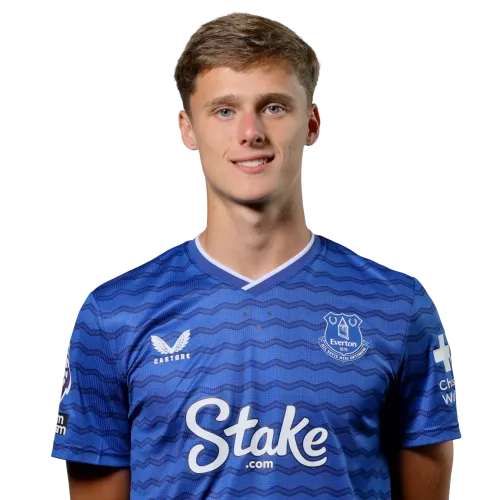
Everton Block Harrison Armstrong’s £40m Move to Nottingham Forest After Fan Backlash
Summary
Everton called off Harrison Armstrong's £40m transfer to Nottingham Forest on August 30 after fans threatened protests. Full story, quotes and analysis.
10 min read
Table of Contents
- 1 The Bid, the Acceptance, and the U-Turn
- 2 David Moyes: ‘It Would Be a Club Decision’
- 3 Who Is Harrison Armstrong? The Teenager at the Centre of the Storm
- 4 Why Forest Were Willing to Pay £40 Million
- 5 The Fan Power Factor: How Supporters Stopped the Deal
- 6 Everton’s Financial Context: Why the Sale Was Even Considered
- 7 What Happens Next: Armstrong, Forest, and the Window’s Final Hours
- 8 Key Takeaways from the Armstrong Saga
Everton have pulled the plug on a proposed £40 million sale of teenage midfielder Harrison Armstrong to Nottingham Forest, reversing course on August 30, 2026, after an intense backlash from their supporters threatened to boil over into outright civil unrest at Goodison Park. The Friedkin Group, Everton’s American ownership, had initially accepted Forest’s offer but performed a dramatic U-turn within 24 hours of reports going public, confirming that the 19-year-old academy product — at the club since the age of five — would be staying on Merseyside.
The abrupt reversal represents one of the most striking examples of supporter power influencing a transfer decision in the Premier League era, and raises serious questions about how Everton’s ownership will handle future squad decisions as the club navigates another difficult window under manager David Moyes.
The Bid, the Acceptance, and the U-Turn
Forest’s move for Armstrong began to take shape on August 29, 2026, when The Athletic’s David Ornstein reported that the City Ground club were “working on a deal” for the 19-year-old, with negotiations centering around a fee of approximately £40 million plus a sell-on clause. For context, that figure would have made Armstrong one of the most expensive teenagers ever sold by an English club, and would have represented Forest’s second-largest transfer outlay in their history — a remarkable valuation for a player who had made just 22 senior appearances for Everton at the time.
Everton’s ownership — the Friedkin Group, led by Dan Friedkin — is understood to have accepted the proposal, moving the deal into an advanced stage. Armstrong was reportedly expected to undergo a medical with Forest on Sunday, August 30. But the speed with which information leaked into the public domain triggered an immediate and ferocious response from Everton’s fanbase, with warnings circulating on supporter forums and social media that a sale would not be tolerated. Reports from The Daily Telegraph described the language among fans as including threats of a “riot” if the deal went through, with supporters organising potential protests outside the ground.
By the morning of August 30, BBC Sport confirmed that Everton had “called off” the proposed transfer, citing the supporter backlash as the pivotal factor. Writing on the Everton fan platform Evertonia, observers noted that the Friedkin Group had encountered “a unanimous push back from the club’s leadership group and fanbase,” prompting a rapid change of direction. Armstrong, barring further developments before the transfer window closes on September 1, is set to remain at Everton.
David Moyes: ‘It Would Be a Club Decision’
Speaking to reporters on August 29, following Everton’s 1-1 draw at Bournemouth — a match in which Armstrong played the full 90 minutes — manager David Moyes had offered a carefully worded response to questions about the midfielder’s future. “It’s not really a question for just now, it’ll be a club decision,” Moyes told The Guardian, before making his own position clear: he would prefer to keep Armstrong at Goodison Park.
The manager’s public desire to retain the player stood in contrast to the ownership’s willingness to entertain Forest’s advances, suggesting a disconnect at the top of the club that will inevitably fuel further scrutiny of the Friedkin Group’s stewardship. Moyes had guided Everton to the brink of a top-half finish last season partly on the back of Armstrong’s emergence in the second half of the campaign, and any sale would have significantly dented his options in midfield.
Who Is Harrison Armstrong? The Teenager at the Centre of the Storm
Born on January 19, 2007, in Liverpool, Harrison Armstrong has been with Everton since the age of five — one of the most complete academy products the club has produced in over a decade. Standing at 185cm and operating as a central midfielder, the 19-year-old combines tenacious pressing with a composure on the ball that belies his age. According to BBC Sport’s profile of the player, Armstrong “established himself as a key member of the first team in the second half of last season” — a rapid ascent for someone who had only recently broken into the senior squad.
His 2026/27 campaign had already begun impressively before the transfer saga erupted. In three appearances and 266 minutes of Premier League football this season, Armstrong had registered one assist and was named in Moyes’s starting eleven for each fixture. The Athletic’s report noted he had accumulated 22 first-team appearances in total for the club, a figure that underlines how central he had become to Everton’s plans despite his youth.
The significance of his profile to supporters cannot be overstated. At a club that has suffered financial instability, ownership uncertainty, and a period of relative on-pitch decline over the last several years, an academy-developed Scouser of genuine Premier League quality represents something far more than just a footballer. He is a symbol of continuity and hope for a fanbase that has grown weary of watching promising players packaged off to rivals.
| Season | Competition | Appearances | Starts | Goals | Assists | Minutes |
|---|---|---|---|---|---|---|
| 2026/27 (to date) | Premier League | 3 | 3 | 0 | 1 | 266 |
| Career total (senior) | All competitions | 22 | — | — | — | — |
Sources: Goal.com, Wikipedia, The Athletic. Career appearances and senior stats as of August 30, 2026.
Why Forest Were Willing to Pay £40 Million
The scale of Nottingham Forest’s ambition in this window is hard to understate. Having sold midfielder Elliot Anderson to Manchester City for a reported £115 million earlier in the summer — a fee that instantly transformed their spending power — manager Oliver Glasner’s side have been aggressive in their pursuit of replacements in the engine room. Armstrong, at 19 and already Premier League-tested, fitted the profile of the dynamic, energetic central midfielder Glasner wanted to add to his squad.
Football analytics platform Football Transfers noted that the £40m bid would have represented “the biggest overspend of any club in percentage terms” relative to the player’s market valuation, suggesting Forest viewed Armstrong as a generational talent rather than a standard market acquisition. The sell-on clause inclusion indicated Forest were also open to the idea that they might profit on him further down the line — a sign they viewed him as one of the most valuable teenagers in the English football pyramid.
Forest’s transfer activity this window has already drawn considerable attention. The club recently agreed a separate £22m deal to sign wing-back Daniel Muñoz from Crystal Palace, while their performance in a 2-2 draw with Liverpool on the opening weekend — a match in which Alexander Isak scored — demonstrated that Glasner’s team have genuine aspirations of pushing into European contention once more. Armstrong would have slotted directly into that plan.
The Fan Power Factor: How Supporters Stopped the Deal
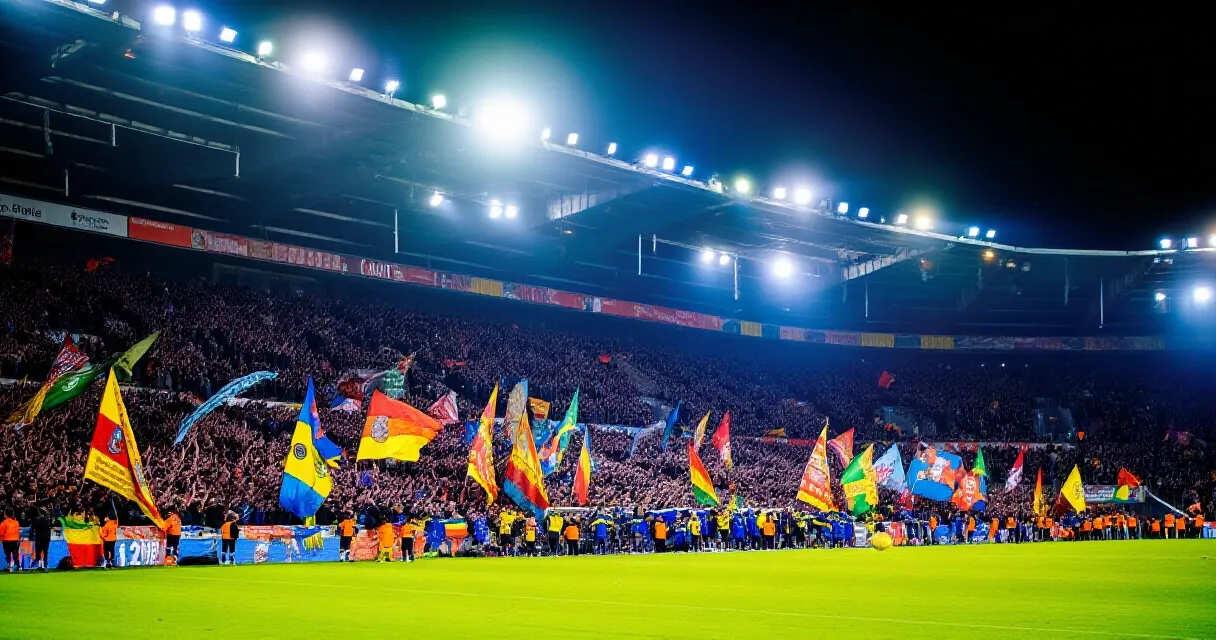
The sequence of events on August 29–30 offers a remarkable case study in the power of organised fan opposition in the modern game. The story of Armstrong’s potential departure broke publicly via The Athletic’s report on the morning of August 29. Within hours, supporter groups had mobilised on social media and forums, with language ranging from expressions of deep disappointment to explicit warnings of organised protests and disorder at Goodison Park.
The Daily Telegraph reported that the threats of a “riot” if the deal completed had reached the club’s board level, with the Friedkin Group’s executives forced to weigh the reputational and logistical consequences of proceeding against the financial gain from the sale. The speed of the reversal — Everton reportedly went from accepted bid to pulling out within less than 24 hours — suggests the ownership had severely miscalculated the mood among supporters.
Observers on the fan platform Evertonia framed the episode bluntly: “According to recent reports the Friedkin Group have decided not to sell Harrison Armstrong to Forest and have backtracked on their initial decision, and he will be staying. None of us know whether TFG actually ever contemplated selling — all we know is that they have rejected the bid and Armstrong is staying.” For many supporters, the fact that the ownership came close to selling a five-year-old Evertonian for financial reasons, without initially listening to Moyes, was itself alarming enough — regardless of the eventual outcome.
Everton’s Financial Context: Why the Sale Was Even Considered
Everton’s willingness to even countenance the sale of a player of Armstrong’s profile speaks to the ongoing financial pressures at the club. The Friedkin Group took over Everton in a period of significant debt, and while the move to the new stadium at Bramley-Moore Dock has improved match-day revenues, the club still operates under Profit and Sustainability Rules (PSR) constraints that limit their ability to spend freely. A £40m sale with a sell-on clause would have provided a clean, high-margin profit on an academy graduate — the type of transaction PSR encourages clubs to make.
The Liverpool Echo had reported that Everton’s “hierarchy was set for a major test” following Forest’s approach, noting the tension between financial prudence and sporting ambition. Moyes’s public desire to keep Armstrong represented, in effect, a plea to the ownership to prioritise the team’s competitive prospects over a short-term cash injection. That the manager’s position ultimately prevailed — even if indirectly, through fan pressure rather than a boardroom vote — is a significant development in the internal power dynamics at the club.
The episode also highlights the broader tension facing mid-table Premier League clubs in the current economic environment. Academy-developed players represent essentially pure profit under PSR calculations, making them highly attractive assets to sell. But the clubs that consistently sell their best homegrown talent rarely build the foundations needed to push into the top half of the table and achieve the commercial revenues that come with European football. Everton’s ownership will need to resolve this contradiction before the next window opens.
What Happens Next: Armstrong, Forest, and the Window’s Final Hours
With the Premier League transfer deadline set for September 1, 2026, both clubs now move forward with clarity. Forest, having failed to land Armstrong, will need to identify alternative midfield targets in the window’s final 48 hours — no small task given the premium placed on top-quality central midfielders this summer. Glasner’s side remain active in the market, and sources close to the club have indicated that a replacement for Elliot Anderson remains a priority regardless of the Armstrong outcome.
For Everton, the immediate aftermath is one of relief among the fanbase but lingering unease about how close the deal came to completion. Armstrong is expected to train as normal from Monday and to be available for Everton’s next Premier League fixture. Moyes will need to manage the situation carefully — the midfielder now knows his club was prepared to sell him for the right price, a reality that can affect even the most committed players, particularly when they are as young and ambitious as a 19-year-old with clear top-club potential.
The Armstrong saga also serves as a reminder of the extraordinary scrutiny that surrounds Premier League clubs in the social media era. A transfer that in previous decades might have been concluded quietly — with an announcement arriving once the deal was done — now plays out in real time, with supporter groups able to mobilise rapidly enough to actually change the course of negotiations. Whether that represents a healthy democratisation of football decisions or an unsustainable veto over commercial strategy is a debate that will continue well beyond this particular window.
Key Takeaways from the Armstrong Saga
- August 29, 2026: The Athletic reports Nottingham Forest are working on a £40m deal for Everton’s Harrison Armstrong, 19.
- August 29, 2026: David Moyes says publicly he would prefer to keep Armstrong; calls it “a club decision.”
- August 29, 2026: Everton’s ownership, the Friedkin Group, initially accepts Forest’s proposal.
- August 29–30, 2026: Everton supporters react with fury; threats of protests and disorder circulate on social media and fan forums.
- August 30, 2026: BBC Sport confirms Everton have “called off” the deal following the fan backlash.
- Status: Armstrong remains at Everton. Forest must find alternative midfield targets before the September 1 deadline.
For all the broader context on Nottingham Forest’s transfer activity this summer, see our earlier report on the club’s £22m agreement for Daniel Muñoz from Crystal Palace. Meanwhile, Forest’s opening-day 2-2 draw with Liverpool offered early evidence of Glasner’s tactical ambitions for the new season — ambitions that the failed Armstrong pursuit only underlines.
Reporting sources: The Athletic (David Ornstein), BBC Sport, The Daily Telegraph, The Guardian, Evertonia, Liverpool Echo, Goal.com, BBC Sport player profile.