The Untold Childhood Stories & Biographies of Football Stars

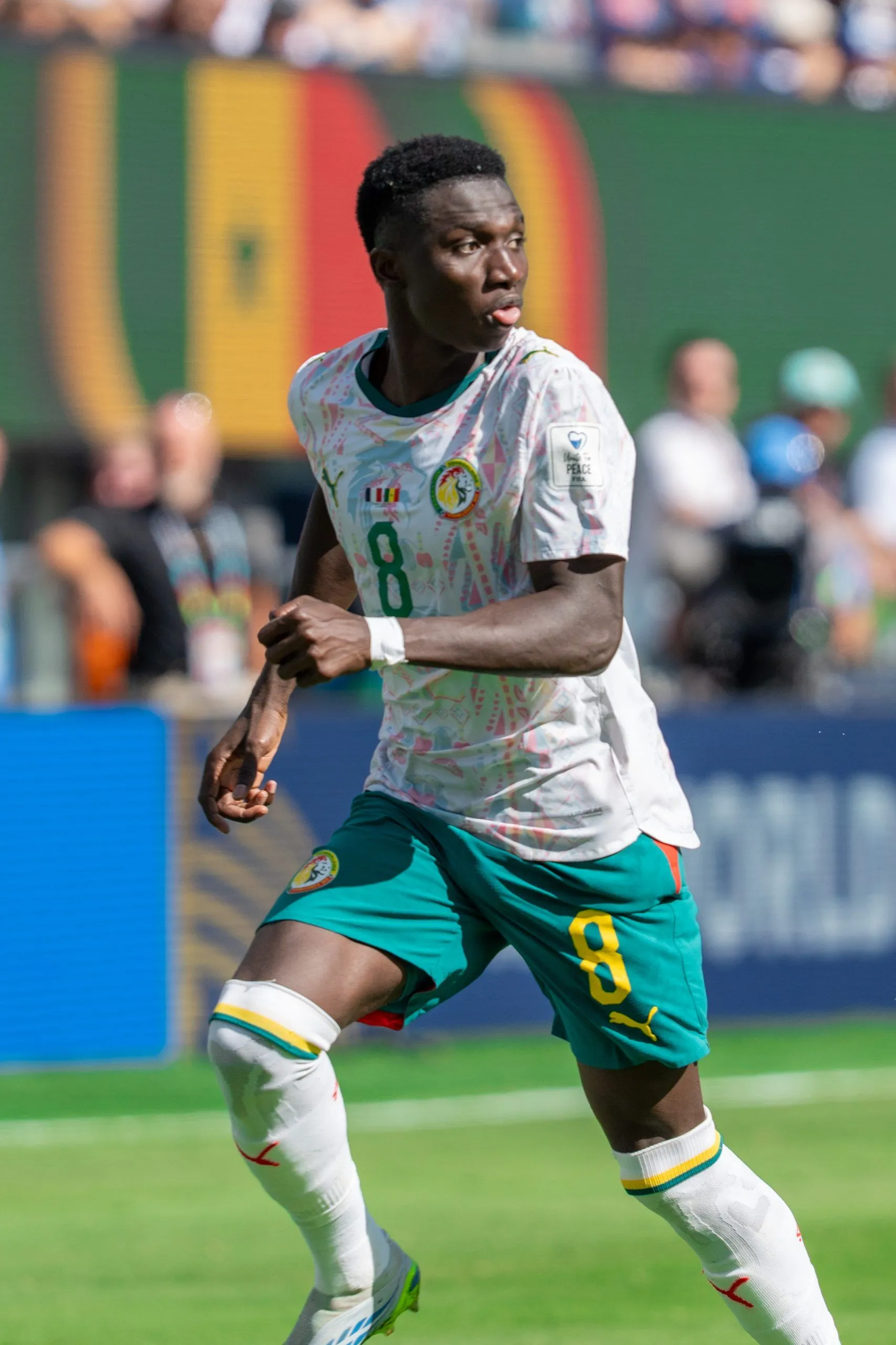
Lamine Camara’s £47m Chelsea Move Collapses as Monaco Pull Out Over Balogun Saga
Summary
Lamine Camara's £47.1m Chelsea move collapsed on September 1-2, 2026 after Monaco withdrew over Balogun's failed Everton transfer. Full story and analysis.
12 min read
Table of Contents
- 1 What Happened: A Chaotic Final 24 Hours
- 2 Chelsea’s Fury — and the Monaco Row
- 3 Who Is Lamine Camara?
- 4 The Balogun-Everton Domino Effect
- 5 Chelsea’s Midfield Crisis — Where Do They Go Now?
- 6 Monaco’s Calculated Decision and Its Risks
- 7 The Wider Deadline Day Chaos: A Summer of Drama
- 8 Key Timeline: The Collapse in Sequence
- 9 What Happens Next: January Window and Beyond
- 10 Sources
Lamine Camara’s proposed £47.1 million transfer from AS Monaco to Chelsea fell apart in dramatic fashion in the early hours of Wednesday, September 2, 2026, after Monaco withdrew their agreement at the eleventh hour — a stunning reversal directly linked to the chaotic collapse of Folarin Balogun’s own proposed move to Everton on transfer deadline day.
The 22-year-old Senegalese midfielder had completed a medical with Chelsea and was believed to be on the verge of signing a contract, only for Monaco to send written communication to the London club informing them that the deal would not proceed, according to BBC Sport. The transfer fee had been agreed at €55 million (approximately £47.1 million / $64 million), making the collapse all the more stunning given how close the deal had come to completion.
What Happened: A Chaotic Final 24 Hours
The sequence of events that unravelled in the hours leading up to and following the 11pm BST transfer deadline on September 1, 2026 reads like a Hollywood script. Chelsea, having sold midfielder Enzo Fernández to Manchester City in a £125 million deal, moved quickly to replace him with Camara, identifying the dynamic 22-year-old as the ideal heir to the central midfield role at Stamford Bridge.
According to ESPN, Chelsea’s initial offer of around €45 million was rejected by Monaco, but the clubs eventually settled on a fee of €55 million — and it appeared all parties were aligned. Camara underwent his medical and personal terms were reportedly agreed. Chelsea’s hierarchy were confident the deal was done.
But simultaneously, across the same deadline day, another Monaco player was at the centre of a very different drama. Folarin Balogun, the USMNT striker, had been in advanced talks to join Everton in a proposed £40 million move. That deal descended into chaos in the early hours of Wednesday morning — with Balogun ultimately not completing the move to Goodison Park. The fallout was immediate and catastrophic for Chelsea.
Monaco, sources told BBC Sport, did not want both Camara and Balogun departing in the same window. With Balogun’s Everton move renegotiated and then reversed, the French club made a calculated decision: they withdrew their agreement to sell Camara to Chelsea. The move that had seemed all but done was dead.
Chelsea’s Fury — and the Monaco Row
Chelsea reacted with undisguised fury. Sources close to the club described the west London side as “deeply unimpressed” and “left fuming” by Monaco’s conduct, according to ESPN’s reporting. The situation has reportedly damaged relations between the two clubs significantly, with Chelsea’s board angered both by the timing of Monaco’s withdrawal — after a medical had been completed — and by what they viewed as Monaco using Balogun’s Everton impasse as a pretext to backtrack on a separately agreed deal.
The row centres on a fundamental point: Chelsea believe Monaco acted in bad faith by allowing Camara to complete a medical and reach personal terms, only to pull the plug citing concerns about squad depth. Monaco’s counter-argument, as understood by sources, is that the Balogun situation created an unforeseen change in circumstances — one that left them unwilling to lose a second key midfielder in the same window.
A source cited by We Ain’t Got No History described the atmosphere as follows: “Fair to say Chelsea are absolutely furious. Having renegotiated the Balogun deal to Everton, Monaco have withdrawn the agreement with Chelsea for Camara.” No official statement was made by either club in the immediate aftermath, but the anger from the Stamford Bridge side was palpable in multiple reports from the night of September 1 into September 2.
Who Is Lamine Camara?
The collapse of this transfer makes it worth understanding precisely why Chelsea were so desperate to land Camara, and why Monaco were equally reluctant to let him go once the full picture became clear.
Born on August 21, 2004, in Conakry, Guinea — though representing Senegal internationally — Lamine Camara is widely regarded as one of the most exciting young midfielders in European football. The 22-year-old joined AS Monaco from Metz in the summer of 2023 for a fee of around €8 million, and rapidly developed into one of the standout performers in Ligue 1. His combination of physicality, technical quality, and an eye for goal from midfield drew comparisons to some of the finest box-to-box players in the game.
At Monaco, Camara became a key figure under head coach Adi Hütter, appearing regularly in both Ligue 1 and European competition. His performances earned him a place in the Senegal national team, where he has continued to develop his international pedigree. By the summer of 2026, he had firmly established himself as a player capable of thriving at the very highest level of club football — exactly the profile Chelsea were seeking as they looked to reconstruct their midfield following the Fernández departure.
The €55 million fee agreed between the clubs reflected both Camara’s market value and the premium that Monaco were demanding for one of their prized assets. For context, Chelsea had initially hoped to secure him for closer to €45 million before Monaco held firm, ultimately driving the price up to the final agreed figure.
The Balogun-Everton Domino Effect
To fully understand the Camara collapse, the Balogun-Everton saga must be examined. The American forward had been the subject of a proposed £40 million move to Everton — a club that has endured its own turbulent transfer window under the Friedkin Group ownership. According to multiple reports, including detailed analysis from Yahoo Sports and BBC Sport, Balogun’s proposed move to Goodison Park collapsed in the early hours of September 2 after the original deal was renegotiated and then fell apart entirely.
The circumstances of that collapse remain disputed, with reports suggesting Balogun himself walked away from the deal at a late stage. Royal Blue Mersey, citing sources, noted that Everton’s deadline day had become “shambolic” — with the Balogun-Grealish double business creating enormous complications. With Balogun ultimately remaining at Monaco, the club found themselves with both he and Camara in their squad — and promptly decided they were no longer willing to part with the midfielder.
The interconnected nature of modern football transfers has rarely been illustrated so starkly: a deal falling through at Goodison Park directly triggered the collapse of a separate, already-agreed deal at Stamford Bridge. It is a reminder that football’s transfer ecosystem is extraordinarily fragile, with dominoes capable of falling in entirely unpredictable directions.
For further context on Everton’s chaotic deadline day activity — including the Balogun reversal and the Jack Grealish loan arrival — the full picture of the Toffees’ summer window shows a club in significant transition under new ownership.
Chelsea’s Midfield Crisis — Where Do They Go Now?
The Camara collapse leaves Chelsea in a difficult position heading into the new season. The sale of Enzo Fernández to Manchester City for £125 million represented a significant short-term financial windfall, but the club now faces the 2026-27 campaign without the replacement they had identified, having completed a medical and effectively agreed all terms.
Chelsea’s midfield options are not negligible — Moisés Caicedo, Romeo Lavia, and others remain key figures in Enzo Maresca’s system. However, the departure of Fernández was always going to require a specific type of cover, and Camara was viewed as the ideal solution. With the transfer window now closed, Chelsea must wait until January 2027 to address this gap.
There is also a legal dimension that Chelsea are reportedly considering. When a deal advances to the point of a completed medical — with written confirmation of fee and personal terms from both sides — the sudden withdrawal of one party raises questions about whether Monaco have breached any agreements, formal or informal, reached during the negotiating process. Transfer law in football is notoriously complex, but Chelsea’s fury suggests they believe Monaco acted improperly.
ESPN, rating the summer transfer window’s winners and losers, noted that Chelsea “won” the window overall — selling Fernández for £125 million and conducting smart business elsewhere. But the Camara situation has soured what could have been a cleaner ending to a turbulent summer of activity at Stamford Bridge.
Monaco’s Calculated Decision and Its Risks
From Monaco’s perspective, the decision to pull out of the Camara deal was a calculated one — but not without its own risks. The Principality club had agreed to sell Camara for €55 million; withdrawing at the final stage means they now retain the player but have potentially damaged a significant financial opportunity. If Camara suffers an injury or a dip in form during the 2026-27 season, Monaco will have missed their moment to maximise his transfer value.
There is also the question of Camara’s own reaction. Reports have not indicated that the player himself has spoken publicly about the collapse, but having undergone a medical and understood himself to be joining Chelsea, the sudden reversal is unlikely to have left him entirely satisfied. Players in such situations often find their relationship with their current club strained — a factor Monaco’s hierarchy will need to manage carefully in the months ahead.
For Monaco, the broader summer window context is important. The club have been active in both buying and selling, and the Balogun situation clearly caught them off guard. The decision to retain Camara at the expense of the agreed Chelsea deal may ultimately prove shrewd — or may come to be seen as a costly piece of mismanagement that damaged their credibility in future transfer negotiations.
The Wider Deadline Day Chaos: A Summer of Drama
The Camara-Chelsea-Monaco-Balogun-Everton chain of events was not isolated. The final hours of the 2026 summer transfer window across Europe were marked by extraordinary late-night drama, with multiple deals completing, collapsing, or being renegotiated as the 11pm BST deadline approached and passed.
Premier League clubs collectively broke the all-time transfer spending record in the summer of 2026 — a summer that produced some of the most remarkable deadline day theatre in recent memory. The Camara situation represents perhaps the most dramatic non-deal of the window: a transfer that was, to all appearances, completed, only to be snatched away at the very last moment.
The Folarin Balogun situation at Everton has attracted considerable attention in its own right. As detailed in our earlier coverage, Balogun’s £40m move to Everton collapsed after his medical — a sequence of events that now takes on even greater significance given its role in triggering the Camara collapse at Chelsea. The two stories are inextricably linked, and together they represent one of the most extraordinary chains of transfer chaos in recent Premier League history.
Key Timeline: The Collapse in Sequence
| Date / Time | Event |
|---|---|
| August 31, 2026 | Chelsea begin serious talks with Monaco over Lamine Camara; initial €45m offer made and rejected |
| September 1, 2026 (daytime) | Chelsea and Monaco agree €55m fee for Camara; personal terms agreed with the player |
| September 1, 2026 (afternoon) | Camara completes medical with Chelsea; deal believed to be all but done |
| September 1, 2026 (evening) | Balogun’s proposed £40m move to Everton begins to unravel; deal renegotiated |
| September 1/2, 2026 (post-deadline) | Balogun remains at Monaco after Everton deal collapses entirely |
| September 2, 2026 (early hours) | Monaco send written communication to Chelsea withdrawing from Camara deal |
| September 2, 2026 | Reports confirm Chelsea “deeply unimpressed” and furious; Camara remains at Monaco |
What Happens Next: January Window and Beyond
With the summer transfer window now firmly closed, both Chelsea and Monaco must live with the consequences of this extraordinary situation for at least the next four months. Chelsea will enter the 2026-27 Premier League season without the midfield reinforcement they had recruited, planned for, and agreed — a frustrating outcome for manager Enzo Maresca as he seeks to consolidate the club’s ambitions under the current ownership structure.
Lamine Camara, meanwhile, will begin the new season having been, in effect, sold and unsold within the space of a single day. How that experience affects his performances and his relationship with Monaco will be one of the more intriguing subplots to monitor as Ligue 1 gets underway. There is every expectation that Chelsea will return for Camara in January, or at the very latest next summer — assuming Monaco are willing to deal, and assuming no other major club enters the picture in the interim.
Real Madrid, Barcelona, and several other top European clubs have long been monitoring Camara’s development. The very public nature of Chelsea’s interest — and the very public collapse of the deal — means his profile has never been higher. Whether Monaco can hold onto him beyond January 2027 remains a genuine question.
For Chelsea, the legal and diplomatic fallout from the Camara situation may run parallel to their sporting preparations. Multiple sources have suggested the club are exploring whether Monaco’s conduct constitutes a breach of the agreements reached — and whether any formal complaint to football’s governing bodies is warranted. No official legal action has been announced as of September 3, 2026.
The story of Lamine Camara’s almost-transfer to Chelsea is a microcosm of everything that makes the modern football transfer window simultaneously thrilling and maddening: vast sums of money, competing interests, last-minute reversals, and consequences that ripple across multiple clubs at once. What began as a straightforward, mutually agreed deal ended as one of the most dramatic non-signings of the entire summer window.
Key takeaways:
- Lamine Camara’s £47.1m / €55m move to Chelsea collapsed on September 1-2, 2026 after Monaco withdrew their agreement
- Monaco’s reversal was directly triggered by Folarin Balogun’s failed move to Everton — Monaco did not want to lose both players
- Camara had completed a medical and agreed personal terms before Monaco sent written communication pulling out
- Chelsea are reported to be “deeply unimpressed” and furious at Monaco’s conduct
- With the transfer window now closed, Chelsea must wait until January 2027 to pursue a replacement
- The situation raises legal questions about Monaco’s conduct after a medical was completed and terms agreed
Sources
- BBC Sport — bbc.com
- ESPN — espn.com
- Lamine Camara’s actions after failed Chelsea transfer … — football.london
- Lamine Camara agent slams Monaco as ‘commodity’ talk … — goal.com
- Folarin Balogun: Monaco striker’s move to Everton falls … — skysports.com
Photo: Bryan Berlin, CC BY-SA 4.0, via Wikimedia Commons