The Untold Childhood Stories & Biographies of Football Stars

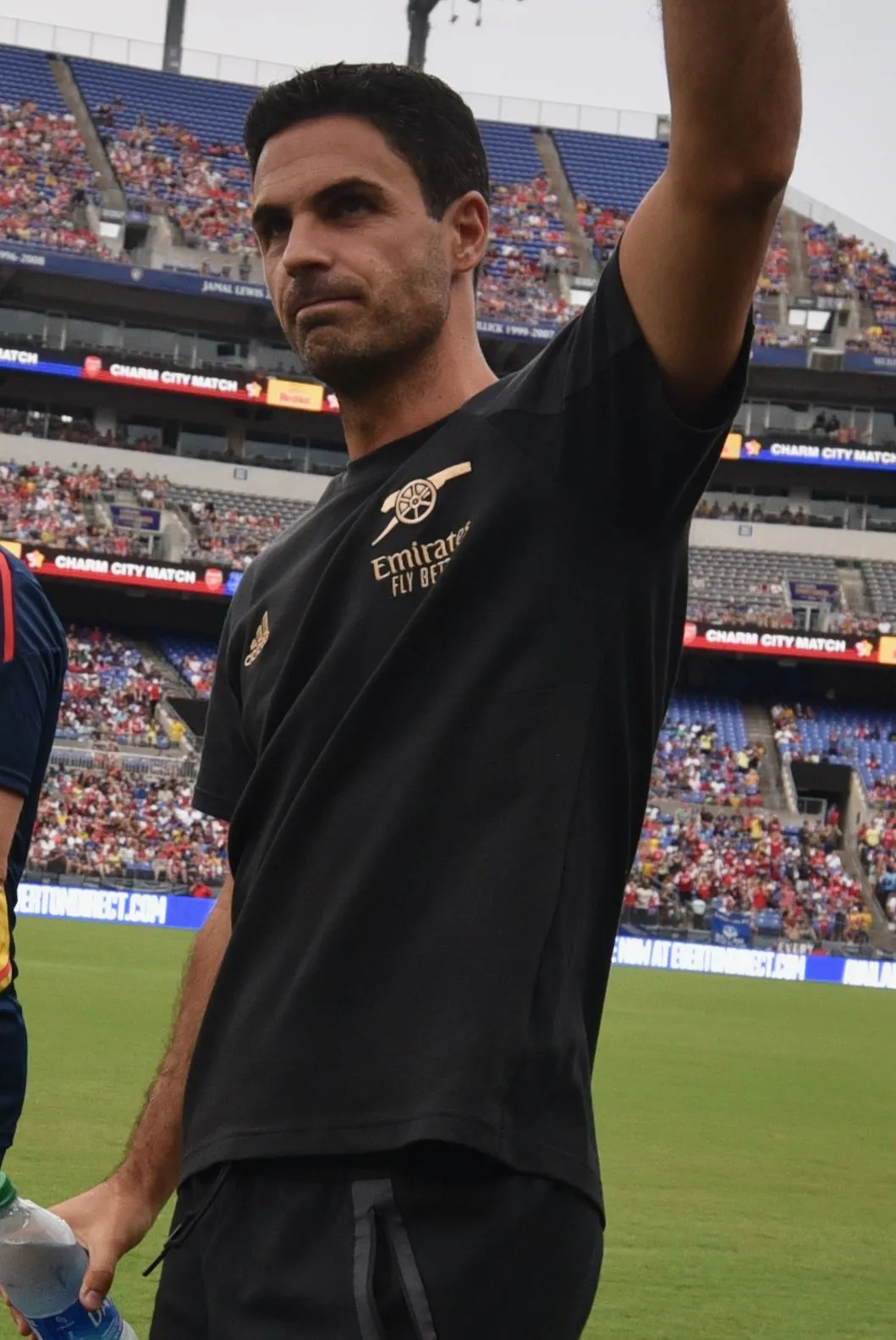
Arsenal Close to Finalizing Lucrative New Contract for Mikel Arteta
Summary
Arsenal are in final stages of a lucrative new long-term contract for Mikel Arteta worth up to $34M per year, making him one of football's highest-paid managers.
12 min read
Table of Contents
- 1 Negotiations Reach Final Stages After Transfer Window Closes
- 2 Arteta’s Words: ‘I Want to Be Here’
- 3 Financial Terms: A Deal to Match the World’s Highest-Paid Coaches
- 4 From Title Drought to Champions: Arteta’s Transformation of Arsenal
- 5 How Arteta Compares to the World’s Highest-Paid Managers
- 6 The 2026-27 Season: Champions League Return and Title Defense
- 7 Richard Garlick’s Role and Arsenal’s Boardroom Stability
- 8 What a Long-Term Deal Means for Arsenal’s Transfer Strategy
- 9 Timeline of Arteta’s Contract Saga in 2026
- 10 What Happens Next
- 11 Sources
Arsenal are on the verge of securing manager Mikel Arteta to a lucrative new long-term contract extension, with negotiations reaching their final stages as of September 10, 2026, according to multiple reports from Sportingpedia, Flashscore, and BBC Sport. The deal, which is expected to significantly improve Arteta’s current salary of £10 million per year plus a £5 million Champions League qualification bonus, would make the Spanish manager one of the highest-paid coaches in world football and cement his future at the Emirates Stadium beyond the expiration of his existing contract in June 2027.
The development marks the culmination of months of intermittent discussions between Arsenal‘s hierarchy and the 44-year-old manager, who led the club to their first Premier League title in 22 years. Arsenal chief executive Richard Garlick told the Malay Mail on August 19, 2026, that Arteta would sign a new deal “very shortly,” and the latest reporting suggests that prediction is now on the cusp of becoming reality.
Negotiations Reach Final Stages After Transfer Window Closes
According to Sportingpedia’s report published on September 10, 2026, negotiations between Arsenal and Arteta have “advanced recently” and there is “full confidence an agreement will be reached.” The new deal is described as a long-term extension that would place Arteta among the elite tier of managerial earners in global football.
Flashscore reported on September 3, 2026, that Arsenal’s focus had shifted decisively toward finalizing Arteta’s extension following the close of the summer transfer window. The outlet noted that Arteta signed his last extension in September 2024 “on the back of the transfer window” and that there had been “intermittent talks over his future since the beginning of this year.”
The pattern mirrors the timeline of Arteta’s previous renewal. In September 2024, Arsenal announced a three-year contract extension that raised his salary from £9 million to £10 million per year, securing him until June 2027. That deal was finalized after the summer window closed, and the club appears to be following the same playbook two years later.
South Korean outlet Sports Chosun reported on September 6, 2026, that Arsenal were expected to finalize a new extension in the second half of 2026, while emphasizing that nothing had been officially signed. BBC Sport has described the contract as Arsenal’s “summer priority” and reported that the new deal is likely to span at least three years, which would tie Arteta to the club until 2029 or 2030.
Arteta’s Words: ‘I Want to Be Here’
Throughout 2026, Arteta has consistently expressed his commitment to Arsenal while deliberately deflecting questions about the specific timeline of contract negotiations. Speaking to The Athletic on August 14, 2026, Arteta addressed the situation directly.
“They don’t have to worry about any of that, because I want to be here,” Arteta said, reassuring Arsenal supporters who had grown anxious about the lack of an official announcement. He added that he would “resolve” his contract situation, though he did not specify a timeframe.
Earlier in the year, on April 10, 2026, Arteta told reporters at a pre-match press conference ahead of a Premier League home fixture against Bournemouth that contract discussions had been deliberately shelved during the title race. “There’s no news on that. We have no time to discuss that now. The full focus is on what we have to do from here until the end of the season,” he said, according to Reuters. “I am completely committed here. I am very happy, and I feel good.”
ESPN corroborated Arteta’s public stance, reporting that “both sides were understood to be keen” to extend his stay regardless of how the season concluded. The fact that Arsenal went on to win the Premier League only strengthened the club’s resolve to lock down their transformative manager on improved terms.
Financial Terms: A Deal to Match the World’s Highest-Paid Coaches
The financial parameters of the proposed deal have been the subject of extensive speculation, though exact figures have not been officially confirmed by Arsenal. What is known from multiple credible outlets paints a picture of a substantial raise that would place Arteta in elite company.
Arteta’s current contract, signed in September 2024, pays him £10 million per year with an additional £5 million bonus contingent on Champions League qualification, according to BBC Sport and Yahoo Sports. That base salary represented an increase from the £9 million per year he earned under his previous deal, per ESPN’s reporting at the time of the 2024 extension.
Sports Illustrated reported that the new extension would see Arteta’s total compensation rise to approximately $23.2 million (roughly £18 million), up from his current package of $13.9 million. Soccer Newspaper went further, reporting in May 2026 that Arsenal had prepared a deal worth approximately $34 million per year, which would put Arteta level with Atlético Madrid’s Diego Simeone as the highest-paid manager in world football. That figure, however, was “explicitly framed as reported rather than confirmed” and should be treated with appropriate caution.
Sportingpedia’s September 10 report stated simply that the new deal is “set to make Arteta one of world football’s highest-paid managers, topping his current £10m per season plus £5m bonus.”
| Detail | Current Contract (2024) | Reported New Deal |
|---|---|---|
| Contract Length | Until June 2027 | At least 3 years (until 2029-2030) |
| Base Salary | £10 million per year | Significant increase (exact figure unconfirmed) |
| Champions League Bonus | £5 million | Expected to be included |
| Total Package | ~$13.9 million | Reported up to ~$23-34 million |
| Status | Signed September 2024 | Final stages of negotiation |
From Title Drought to Champions: Arteta’s Transformation of Arsenal
The scale of the financial commitment Arsenal are preparing to make reflects the scale of the transformation Arteta has engineered at the club. When he was appointed as head coach in December 2019, replacing Unai Emery, Arsenal were languishing in the bottom half of the Premier League table and had not won the league title since the 2003-04 season under Arsène Wenger.
Arteta, who had no prior managerial experience beyond his role as assistant to Pep Guardiola at Manchester City, was widely regarded as a gamble. His first full seasons involved significant squad rebuilding, with Arsenal finishing eighth in both the 2019-20 and 2020-21 Premier League seasons, though he did deliver an FA Cup triumph in August 2020.
The turnaround began to accelerate from the 2022-23 season onward, when Arsenal mounted a genuine title challenge for the first time in years before ultimately finishing second to Manchester City. The following season brought another runner-up finish, but the gap had narrowed significantly, and Arsenal’s young squad was maturing rapidly under Arteta’s demanding tactical framework.
The breakthrough finally came when Arteta ended Arsenal’s 22-year Premier League title drought, a historic achievement that the Malay Mail and multiple other outlets cited as the defining reason for the club’s determination to secure his long-term future. The title win validated years of patient squad-building and tactical development, and it fundamentally changed the dynamics of any contract negotiation.
Under Arteta, Arsenal have also established themselves as regular Champions League contenders, with the £5 million qualification bonus in his current deal reflecting the importance the club places on European competition revenue.

How Arteta Compares to the World’s Highest-Paid Managers
If the reported financial terms prove accurate, Arteta’s new contract would place him alongside or above several of the most decorated managers in world football. The comparison most frequently cited in the reporting is Atlético Madrid’s Diego Simeone, who has long been regarded as the world’s highest-paid coach.
Simeone, who has managed Atlético since December 2011, reportedly earns in the region of $34 million per year, a figure that reflects both his longevity in the role and the club’s willingness to reward his consistent overachievement relative to their resources. Soccer Newspaper’s May 2026 report specifically cited Simeone’s salary as the benchmark Arsenal were aiming to match.
The Premier League’s managerial salary landscape has shifted dramatically in recent years. Guardiola’s departure from Manchester City and the subsequent managerial changes across the league’s top clubs have created a market in which proven title-winning coaches command unprecedented compensation. Arteta, as one of a small number of managers to have won the Premier League in recent seasons, is in a uniquely strong bargaining position.
Sports Illustrated noted that the proposed raise from approximately $13.9 million to $23.2 million would represent a 67 percent increase in Arteta’s total compensation, a figure that underscores both the club’s satisfaction with his work and the competitive pressure to retain him against potential interest from other elite clubs.
The 2026-27 Season: Champions League Return and Title Defense
The timing of the contract negotiations is particularly significant given Arsenal’s ambitious start to the 2026-27 season. The club entered the new Champions League campaign this week, with the revamped league-phase format providing additional high-profile fixtures and revenue opportunities. Arsenal’s Champions League opener saw them face Napoli away, with Viktor Gyökeres, one of the 30 nominees on the 2026 Ballon d’Or shortlist, leading the attack.
In the Premier League, Arsenal are defending their title against fierce competition. The early weeks of the season have already produced dramatic results across the division, and securing Arteta’s long-term commitment removes a potential source of destabilization during what promises to be another grueling campaign.
Arsenal’s summer transfer window activity further demonstrated the club’s alignment with Arteta’s vision. The recruitment strategy has consistently targeted players who fit Arteta’s tactical system, a high-pressing, possession-based approach that demands specific physical and technical profiles. A long-term contract for the manager provides continuity not just in the dugout but in the boardroom, where transfer strategy and coaching philosophy must remain synchronized.
Richard Garlick’s Role and Arsenal’s Boardroom Stability
The involvement of Arsenal chief executive Richard Garlick in publicly signaling the club’s intentions has been notable. Garlick’s statement to the Malay Mail on August 19, 2026, that he expected Arteta to sign “very shortly” was the most direct public comment from the club’s hierarchy about the contract situation.
Garlick, who joined Arsenal from the Premier League’s central organization, has overseen a period of significant commercial growth at the club. The Kroenke family’s ownership has invested heavily in both playing staff and infrastructure, and locking down Arteta on a long-term deal fits a broader strategy of institutional stability that contrasts with the frequent managerial upheaval at many rival clubs.
The contrast with other Premier League clubs is striking. While Chelsea have cycled through multiple managers since Todd Boehly’s takeover, and Manchester United recently appointed Michael Carrick after parting ways with their previous coach, Arsenal’s continuity under Arteta has been a competitive advantage. The proposed contract extension would extend that advantage further into the future.
What a Long-Term Deal Means for Arsenal’s Transfer Strategy
Beyond the immediate question of Arteta’s salary and contract length, the extension carries significant implications for Arsenal’s medium-term planning. A manager secured until 2029 or 2030 can plan recruitment cycles, youth development pathways, and tactical evolution over multiple seasons rather than operating under the short-term pressures that plague coaches on expiring deals.
Arteta’s influence on Arsenal’s recruitment has been well-documented. He has worked closely with the club’s sporting director to identify and sign players who fit precise tactical roles, from defensive midfielders who can control tempo to wide forwards capable of inverting into central positions. That level of specificity in recruitment only works when the manager has the security and authority that comes with a long-term commitment from the ownership.
The youth development pathway at Arsenal has also flourished under Arteta’s tenure. The Hale End academy has produced a stream of first-team contributors, and a manager with a multi-year deal can invest time in developing young players who might need two or three seasons to reach Premier League readiness.
Timeline of Arteta’s Contract Saga in 2026
The journey from initial discussions to the current advanced stage has been a months-long process, with both parties carefully managing expectations while prioritizing on-pitch performance. Below is the documented timeline based on confirmed reporting.
- April 10, 2026 — Arteta tells reporters contract talks are on hold during the title race, per Reuters and ESPN.
- May 21, 2026 — Soccer Newspaper reports Arsenal have prepared a deal worth approximately $34 million per year. Sports Illustrated and Yahoo Sports report a significant raise is planned.
- June 2, 2026 — BBC Sport reports that the new contract is Arsenal’s “summer priority” and is likely to span at least three years.
- August 14, 2026 — The Athletic reports Arteta saying he “wants to be here” and will “resolve” the situation.
- August 19, 2026 — Arsenal chief executive Richard Garlick tells the Malay Mail that Arteta will sign “very shortly.”
- September 3, 2026 — Flashscore reports Arsenal’s focus has turned to the extension after the transfer window closes.
- September 6, 2026 — Sports Chosun reports Arsenal expect to finalize in the second half of 2026.
- September 10, 2026 — Sportingpedia reports negotiations have reached their final stages with full confidence an agreement will be reached.
What Happens Next
With multiple sources now describing the negotiations as being in their “final stages,” an official announcement from Arsenal appears imminent. The club’s pattern of announcing managerial contracts after the close of the transfer window — as they did in September 2024 — suggests the formal confirmation could come in the coming days or weeks.
Several key questions remain unanswered until the official announcement. The precise length of the extension, whether it runs to 2029 or 2030, will determine the scope of Arteta’s long-term project. The exact salary figures will reveal how aggressively Arsenal are positioning themselves in the global market for elite coaching talent. And any performance-related bonuses or break clauses could provide insight into the club’s expectations for the seasons ahead.
What is no longer in question, based on the weight of reporting from outlets including BBC Sport, The Athletic, ESPN, Reuters, and Sportingpedia, is the mutual desire of both parties to continue their partnership. Arteta has been unequivocal about his commitment to Arsenal, and the club has been equally clear about their determination to retain him.
For Arsenal supporters, the confirmation will represent more than just a managerial contract. It will be an affirmation that the club’s upward trajectory under Arteta — from mid-table mediocrity to Premier League champions and Champions League contenders — is built on foundations intended to last well into the next decade.